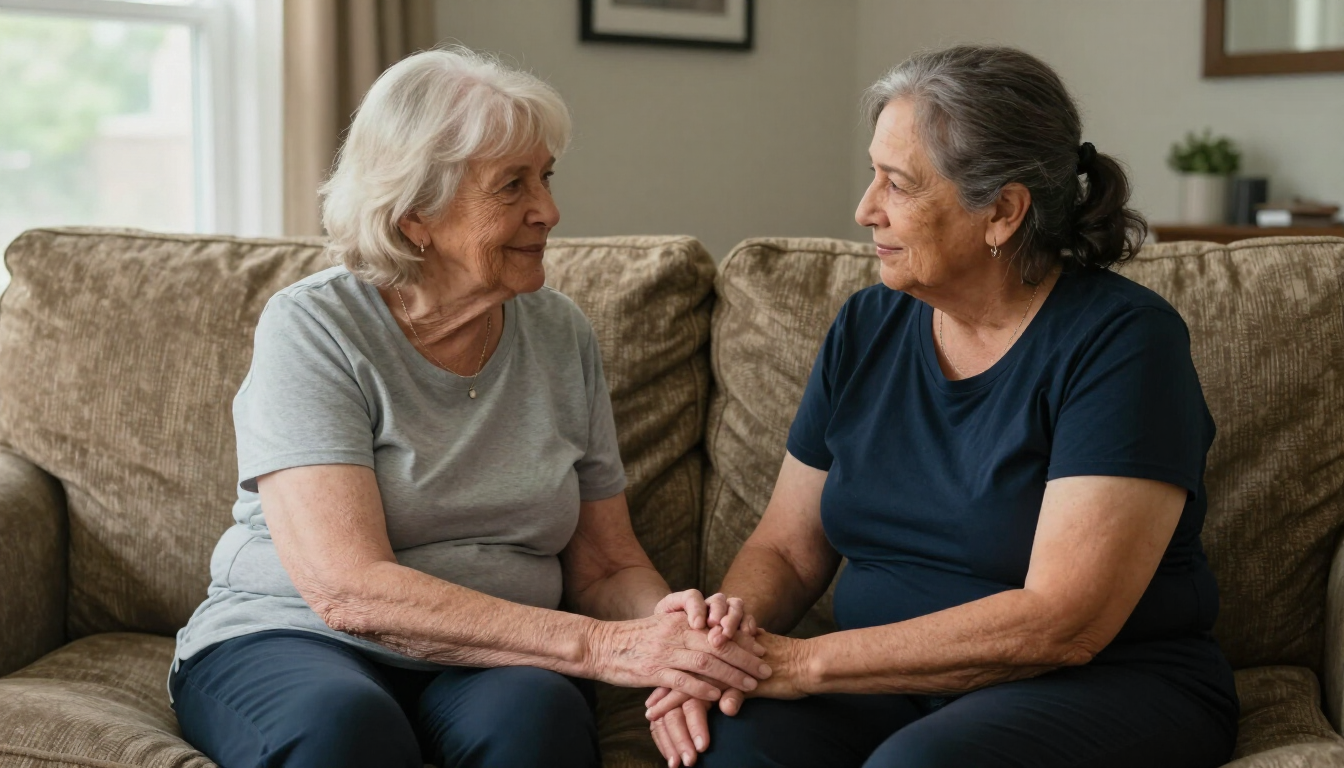
Creating Safe Spaces for 2SLGBTQI+ Seniors
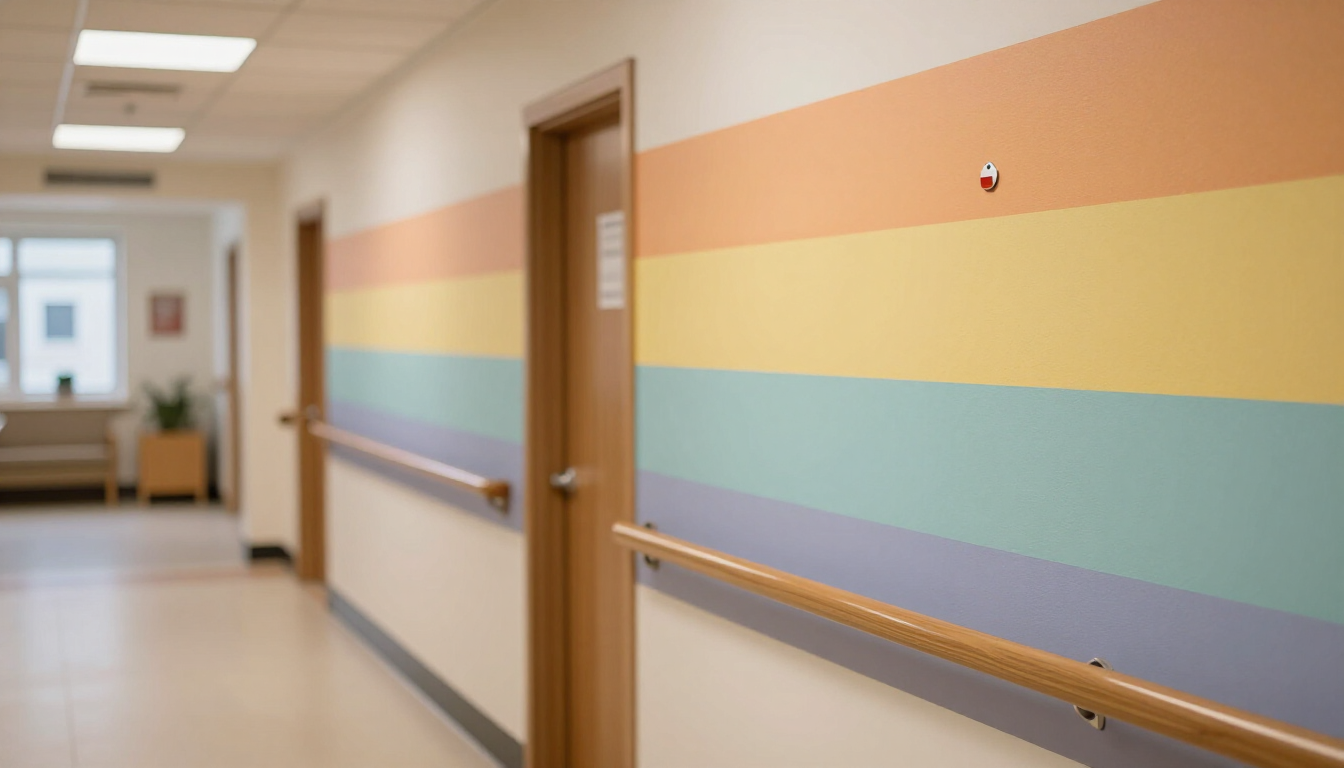
Many 2SLGBTQI+ seniors lived through decades when being open was unsafe. Feeling safe in your care isn’t automatic — it’s built through consistent, visible signals.
Signals that build trust
Inclusive intake forms, visible non-discrimination commitments, staff who use inclusive language, and respect for chosen family all tell residents they can be themselves.
Beyond the sticker
Visible symbols help, but they must be backed by policy, training, and follow-through. A rainbow on the door with no substance behind it can erode trust rather than build it.
Make it everyone’s job
Safety is created by the whole team, every day — not by a single committee. That’s why training and culture work go hand in hand.
Frequently asked questions:
Where do we start if we have limited budget?+
Begin with a short foundations training and a quick policy check. These two steps deliver the biggest early improvement in resident safety and staff confidence.
Facing this situation right now?
You don’t have to figure it out alone. Book a free, confidential call and we’ll help you find the right next step.